Machine Embroidery Beer Glass Design Review
As a designer who has spent years navigating the fine line between a cute digital file and a flawless stitched product, I approach every new machine embroidery design with a critical eye. When I first loaded the Machine Embroidery Beer Glass file into my digitizing software, I wasn't just looking for a pretty picture; I was looking for a reliable asset that could hold up under real-world production demands. This specific design promises a fun and classic touch for bar lovers, but does it deliver on the promise when translated from pixels to thread? Let's dive into how this embroidery file performs in actual projects.
The First Impression: A Classic Silhouette with Character
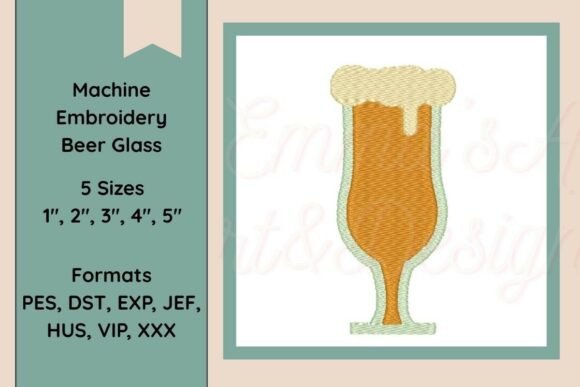
At first glance, the Machine Embroidery Beer Glass captures the essence of a well-poured pint without getting bogged down in unnecessary complexity. The silhouette is clean, instantly recognizable, and features that essential frothy foam detail which gives the design its personality. In the world of custom apparel, simplicity often wins because it translates better across different fabric textures. The layout feels balanced, suggesting that the stitch density is likely optimized for a crisp finish rather than a heavy, puckered look.
For an Etsy seller or a small shop owner looking to expand their Father's Day collection, this design hits the right note. It isn't overly cartoonish, nor is it so realistic that it requires a massive hoop size. It sits comfortably in that "cool gift" category that appeals to both casual drinkers and craft beer enthusiasts. The visual weight of the glass suggests it would work beautifully as a standalone motif on a chest pocket or centered on a tote bag, making it a versatile addition to your library of design assets.
Real-World Application: From Sweatshirts to Tote Bags
To truly test the viability of the Machine Embroidery Beer Glass, I imagined running it through a batch of custom orders. Picture a thick, heather-grey sweatshirt intended for a brewery event. On a garment like this, the contrast of the thread colors becomes crucial. The frothy top of the glass would likely benefit from a bright white or off-white satin stitch to pop against the darker background, while the amber body of the beer could be rendered in a rich gold or orange fill stitch. The clean stitch finish mentioned in the description suggests that the transitions between these areas are smooth, avoiding the jagged edges that can ruin a professional look.
I also considered using this embroidery project on canvas tote bags. These are high-turnover items for many craft businesses. Because tote bags are often handled roughly and washed frequently, the durability of the design matters. The Machine Embroidery Beer Glass appears to have enough structural integrity in its outline to withstand wear. Unlike delicate floral patterns that might fray at the edges, a geometric shape like a glass holds its form well. If you are planning to sell these as handmade products at a craft fair, customers will appreciate the boldness and clarity of the image from a distance.
Another scenario involves creating an embroidered patch. Patches are excellent for adding branding to hats or jackets without committing to full-garment decoration. The defined lines of the beer glass make it ideal for being cut out and backed with twill tape. For a boutique brand focusing on bar-themed merchandise, this digital embroidery file could become a signature element on limited-edition caps or aprons for bartenders.
Navigating Fabric Challenges and Technical Considerations
While the design looks promising, every embroidery designer knows that the devil is in the details, especially regarding fabric choice. You must be cautious when applying the Machine Embroidery Beer Glass to stretchy fabrics like jersey knit t-shirts. Without the proper stabilizer, the tension from the stitches can cause the fabric to pucker around the base of the glass, distorting the straight lines. Always test the design on scrap fabric first to ensure the hoop size accommodates the tension correctly.
Texture is another factor. If you plan to use this on a napped fabric like fleece or a textured linen tea towel, the running stitch details in the foam might get lost. In such cases, increasing the stitch density slightly or choosing a bolder color palette can help maintain visibility. Conversely, on dark fabrics, the light-colored foam needs to be dense enough to cover the background completely. A quick black-and-white mockup comparison before stitching can save you hours of rework.
Be mindful of curved surfaces, such as the brim of a cap. While the main body of the glass is rectangular, the foam curves at the top. Stitching this curve on a tight cap brim can sometimes lead to registration issues if the machine isn't calibrated perfectly. It is always wise to run a test stitch on a similar curved surface to see how the design adapts.
Professional Value and Commercial Potential
From a business perspective, the Machine Embroidery Beer Glass offers strong value. It enhances the perceived quality of a finished product by providing a clean, professional aesthetic. Customers buying personalized gifts want to feel that the item was made with care, and a well-executed embroidery design signals exactly that. Whether it is a holiday gift for a dad or a promotional item for a local pub, the design fosters trust and engagement.
For those selling commercial embroidery services, having a design that works reliably across multiple product types—from baby clothes (for a humorous twist) to adult custom apparel—increases your efficiency. However, always confirm the licensing terms before selling finished items or reselling the digital product itself. Understanding whether the license covers commercial use for small shop products is non-negotiable for protecting your business.
Final Designer Notes
- Test First: Always stitch the Machine Embroidery Beer Glass on a scrap piece of your intended fabric to check for puckering or skipped stitches.
- Color Contrast: Ensure the thread colors provide enough contrast against the fabric, especially for the foam details.
- Stabilizer Choice: Use a tear-away stabilizer for woven fabrics and a cut-away for knits to support the fill stitch areas.
- Hoop Size Verification: Confirm the design fits within your standard hoop sizes to avoid re-hooping mid-stitch, which can misalign the pattern.
- Licensing Check: Verify that your purchase includes rights for commercial embroidery if you plan to sell the final goods.
In conclusion, the Machine Embroidery Beer Glass is a solid, practical design that balances charm with technical reliability. It fits naturally into a wide range of projects, from personal Father's Day gifts to professional apparel decorators building a catalog of bar-themed items. By paying attention to fabric preparation and stabilizer usage, you can ensure that this embroidery file delivers the clean, frothy finish that makes it stand out on any finished product.