Mushroom Patch Embroidery Bundle Review
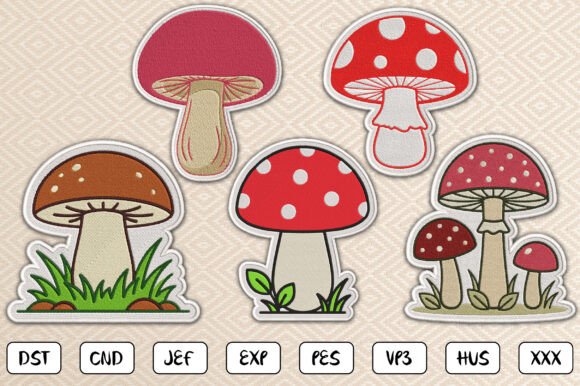
As a professional embroidery designer who has spent years translating digital concepts into tangible thread for small business owners, I approach every new digital embroidery file with a critical eye. My goal is not just to see if a design looks pretty on a screen, but to determine if it can survive the rigors of commercial production and elevate a brand's identity. Recently, I evaluated the Mushroom Patch Embroidery Bundle, a collection described as offering five cute designs to bring a cozy woodland vibe to projects. For entrepreneurs running boutiques, cafés, or handmade brands, the decision to use specific design assets can make or break the perceived value of their merchandise. This review breaks down how this bundle performs in real-world business scenarios.
First Impressions: Visual Personality and Brand Fit
The immediate appeal of the Mushroom Patch Embroidery Bundle lies in its versatility. The description promises a mix of cute, minimal, and detailed styles within the Forest category. In the world of branding, "cute" can sometimes feel juvenile, but when executed correctly, it signals approachability and warmth. For a local bakery, a pet grooming studio, or an Etsy seller specializing in organic goods, these mushroom motifs offer a perfect balance of whimsy and professionalism. They do not scream for attention like a bold corporate logo; instead, they whisper quality and care.
When reviewing the potential for brand identity, I found that the variety within the bundle allows for consistent visual storytelling. A business could use the more detailed mushroom design for a large tote bag design while utilizing the minimal version for a subtle chest accent on staff uniforms. This scalability is crucial for maintaining visual consistency across different product lines. The rustic, nature-inspired aesthetic aligns perfectly with current trends in sustainable fashion and artisanal goods, making it a strong candidate for businesses wanting to project an eco-friendly image.
Performance in Real Business Applications
The true test of any machine embroidery design is its performance on actual merchandise. I visualized applying the Mushroom Patch Embroidery Bundle to several key items common among small business merch creators.
- Embroidered Patches: These designs are ideally suited for creating standalone patches. The distinct shapes of mushrooms allow for clean edge trimming. Whether attached to denim jackets, canvas bags, or backpacks, a well-executed patch adds a tactile, premium feel that printed graphics cannot match.
- Staff Uniforms and Aprons: For a café or florist, apron embroidery featuring a small mushroom motif near the pocket creates a charming uniform detail. It distinguishes staff from customers while reinforcing the shop's theme without being overwhelming.
- Cap Embroidery: Caps are high-visibility items. The bundle includes designs that work well on curved surfaces. However, the "detailed" options require careful consideration regarding stitch count to ensure they don't pucker on a structured cap front.
- Tote Bags and Product Labels: A large-scale application on a cotton tote bag showcases the intricate details of the bundle. Similarly, using a simplified version as a label on packaging elevates the unboxing experience for handmade products.
In the context of commercial embroidery, the ability to adapt these designs to various substrates is a significant advantage. From heavy twill on work shirts to delicate linen on boutique apparel, the Mushroom Patch Embroidery Bundle offers enough structural integrity to hold up under regular wear.
Critical Considerations for Production
While the aesthetic potential is high, there are specific areas where caution is required to ensure the finished product meets professional standards. As a designer, I advise against assuming these files will work perfectly out of the box for every application.
Size and Stitch Density
One of the most common pitfalls with "cute" designs is shrinking them too small. If you attempt to use the detailed mushroom designs for a tiny sleeve logo or a small buttonhole patch, the stitch density may become too high. This leads to puckering, thread breakage, and a loss of definition. Always check the recommended minimum size before committing to production. For cap embroidery specifically, the curvature can distort complex details, so the minimal versions in the bundle are likely safer bets for small areas.
Fabric Texture and Stabilizer Choice
The success of these designs heavily depends on the fabric texture. Mushrooms often feature rounded edges and gradients that can get lost on highly textured fabrics like bouclé or thick wool. When working with such materials, a cut-away stabilizer is non-negotiable to prevent distortion. Additionally, dark uniforms require careful planning. Light-colored thread on dark fabric needs sufficient coverage to avoid showing the base material through the stitches, which might require adjusting the underlay settings in your digitizing software.
Color Contrast and Visibility
Reviewing the thread colors is essential. While earth tones fit the Forest theme, they must contrast sufficiently with the garment color to be visible. A brown mushroom on a tan apron will look muddy and unprofessional. I recommend testing color combinations digitally first to ensure legibility and impact.
Impact on Brand Identity and Customer Trust
Investing in high-quality embroidery file assets like the Mushroom Patch Embroidery Bundle directly influences customer perception. Hand-stitched or machine-embroidered details signal craftsmanship. When a customer receives a tote bag or wears a shirt with a crisp, well-defined embroidered patch, they associate that quality with your brand. It suggests that you pay attention to detail, which builds trust and encourages repeat business.
Furthermore, unique custom apparel acts as a walking billboard. A distinctive mushroom patch on a team member's uniform sparks conversation and increases brand recognition. Unlike generic logos, these thematic designs create an emotional connection, making the brand feel more human and relatable. For Etsy sellers and crafters, this differentiation is vital in a crowded marketplace. It transforms a standard product into a collectible item.
Practical Designer Notes for Implementation
To successfully integrate the Mushroom Patch Embroidery Bundle into your business workflow, follow these practical steps:
- Test in Black and White: Before buying thread, run a test hoop in black and white to verify the shape and structure of the design without the distraction of color.
- Verify Hoop Size: Confirm that the largest design fits comfortably within your machine's hoop size to avoid manual re-hooping, which can cause registration errors.
- Create Printable Mockups: Generate a printable mockup for client approval or internal review. This helps visualize how the design sits on the final product before cutting any thread.
- Check Commercial Licensing: Ensure you have the right to use these designs for small business merch. Some bundles restrict usage to personal projects only. Verify the license terms before selling finished goods.
- Compare Design Assets: Place the mushroom designs alongside your existing brand elements. Do they clash? Do they complement? Consistency is key to a cohesive brand image.
- Inspect Spacing: Ensure there is adequate spacing between the design and other elements like seams or pockets to prevent thread snagging during washing.
The Mushroom Patch Embroidery Bundle represents a valuable resource for designers looking to add character to their handmade product lines. By understanding its strengths and limitations, you can leverage these designs to create professional, engaging, and durable merchandise that stands out in the market. Whether for a single custom order or a full line of branded apparel, thoughtful application of these Embroidery assets will yield results that resonate with customers and enhance your brand's reputation.