Sleeping Cute Cat Embroidery Design Review
As a designer who has spent years navigating the delicate balance between digital files and physical thread, I approach every new machine embroidery design with a critical eye. The market is flooded with generic patterns, but finding a motif that translates well from a screen to a finished product requires careful scrutiny. Today, I am evaluating the Sleeping Cute Cat Embroidery design. This isn't just about whether the image looks cute on a monitor; it is about how this specific embroidery file behaves when stitched onto real fabric for client projects, handmade goods, or commercial merchandise.
First Impressions: Mood and Visual Personality
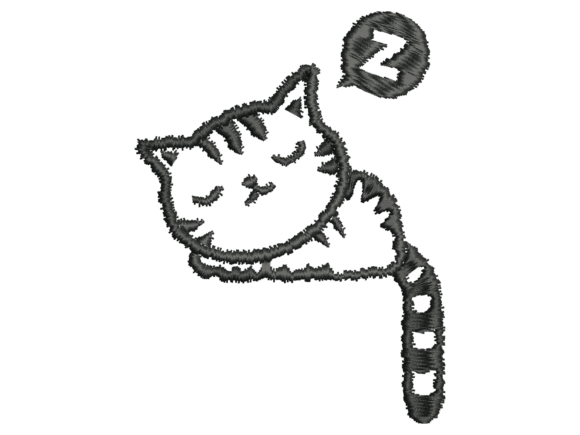
The first thing that strikes me about Sleeping Cute Cat Embroidery is its inherent softness. The design captures a moment of tranquility, with rounded contours and a relaxed posture that immediately evokes comfort. For an Etsy seller or a small shop owner looking to expand their nursery decor line, this mood is essential. It feels less like a graphic logo and more like a piece of art meant to be touched.
Visually, the layout appears balanced, avoiding the common pitfall of overly complex details that can get lost in stitching. The shape suggests a compact footprint, which is promising for various applications. However, before committing to a run of products, I always assess the visual weight. Does the cat look too flat? Is there enough definition in the fur texture? In this case, the design seems to rely on clean lines rather than excessive shading, which often leads to better stitch clarity on textured fabrics.
Real-World Application: From Screen to Sweatshirt
To truly understand the value of this digital embroidery file, let's imagine a specific scenario. I am preparing a custom order for a boutique client who wants a series of cozy sweatshirt embroidery pieces for a holiday collection. The goal is to place the sleeping cat on the chest area of a heather grey sweatshirt. Here, the choice of design is critical. A high-density design might pucker the heavy cotton fleece, while a design with too much running stitch could look fragile after washing.
Sleeping Cute Cat Embroidery seems well-suited for this application. The rounded nature of the sleeping pose minimizes sharp corners, which are notorious for causing thread breakage or uneven tension. If I were to use this as a tote bag design, the slightly larger scale would allow the fill stitch areas to breathe, ensuring the fabric doesn't become stiff. For a personalized gift like a baby blanket, the gentle aesthetic fits perfectly, provided the thread colors are chosen to complement the soft palette typical of nursery items.
Consider also the potential for an embroidered patch. The distinct silhouette of the cat makes it a strong candidate for a cut-out patch, which could then be sewn onto denim jackets or backpacks. This versatility adds significant value to the design assets in my library, allowing me to pivot quickly between apparel and accessories without needing to redesign.
Navigating Fabric Challenges and Hoop Constraints
While the design is appealing, practical limitations must be addressed. Every experienced embroiderer knows that not all designs work on every surface. When working with Sleeping Cute Cat Embroidery, I would exercise caution on very thin or stretchy fabrics like jersey knit. Without the right stabilizer, the tension required for the satin stitch outlines could cause the fabric to ripple or pucker, ruining the professional finish.
Similarly, if you plan to use this on a cap, the curved surface demands a design with minimal height. You must check the actual dimensions against your machine's hoop capabilities. If the design is too tall for a standard 5x7 hoop, it may require splitting into multiple hoops, which risks alignment issues. Always verify the hoop size requirements before starting a production run.
Dark fabrics present another challenge. While the design likely includes color layers, stitching light-colored cats on black fabric requires a dense underlay to prevent the background from showing through. I recommend testing the thread colors on a scrap piece of the actual dark material first. The contrast is key to maintaining the visual appeal and ensuring the "cute" factor remains visible after the stitching is complete.
Technical Considerations for Professional Results
Before integrating Sleeping Cute Cat Embroidery into your workflow, a few technical checks are non-negotiable. First, review the stitch density. High density can make the design look solid and rich, but it can also make the fabric rigid. For items that need to remain soft, like a pillow cover or a tea towel, a lower density with strategic gaps is often superior.
Secondly, inspect the small details. Zoom in on the digital preview to ensure that tiny features, like the cat's whiskers or eyes, are represented by stitches large enough to hold up over time. Tiny running stitch elements can easily snag or unravel during frequent washing, which is a major concern for commercial embroidery where customer satisfaction is paramount.
Do not forget the importance of a test run. Stitch the design on a piece of scrap fabric that matches your final project's weight and texture. This allows you to adjust the tension, trim threads, and evaluate the overall look without risking expensive materials. Additionally, create a printable mockup in both black and white to see how the design holds up without color distractions. This helps in assessing the balance of light and dark areas, ensuring the design works on various backgrounds.
Licensing and Commercial Use
It is vital to remember that this is a digital product. The files are delivered in ZIP or RAR format, meaning no physical item will be shipped. As a creative entrepreneur, you must confirm the licensing terms before selling finished items. While many Cats themed designs are available for personal use, selling handmade products containing the design often requires a specific commercial license. Never assume you can sell unlimited items; always read the terms regarding small business merchandise and craft business usage. Using a design without proper permission can lead to legal issues and damage your brand's reputation.
Final Verdict: A Versatile Asset for Makers
In conclusion, Sleeping Cute Cat Embroidery offers a charming and versatile option for designers looking to add a touch of warmth to their portfolio. Its suitability for custom apparel, holiday gifts, and boutique branding makes it a valuable addition to any embroidery project lineup. However, its success relies heavily on proper execution. By paying attention to fabric texture, choosing the correct stabilizer, and respecting the licensing boundaries, you can transform this digital file into a high-quality finished product that delights customers.
For the Etsy seller aiming to stand out, this design provides a reliable foundation. It balances simplicity with character, making it easy to customize with names or dates for personalized gifts. Whether you are creating a single apron for a friend or a batch of blankets for a craft fair, the key is preparation. Test, tweak, and trust your experience. With the right approach, Sleeping Cute Cat Embroidery can become a signature element in your collection, proving that even the simplest motifs can yield professional results when handled with care.