Blue Flower Embroidery Design Review for Craft Fairs
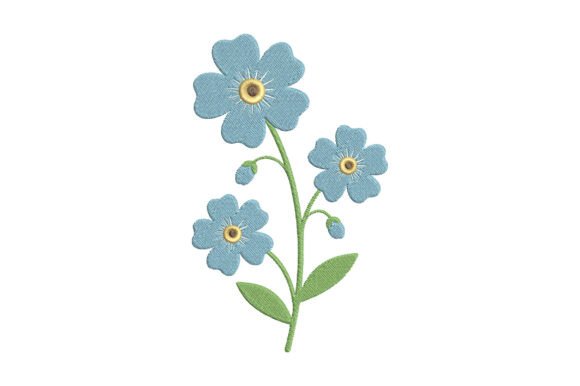
As an experienced embroidery designer preparing my booth for the upcoming weekend craft fair, I spend hours evaluating which machine embroidery design will translate best from a digital file to a tangible, sellable item. Today, I am reviewing the Blue Flower Embroidery Design. The goal is simple: determine if this specific embroidery file has the visual punch and practical application needed to drive sales at a handmade market. With the product description promising a "soft and elegant touch" featuring "beautiful blue flowers with green stems and leaves," the potential for creating a calm and sophisticated aesthetic is immediately apparent. However, looks alone do not sell; execution does.
First Impressions: Elegance Meets Market Appeal
When I first loaded the Blue Flower Embroidery Design into my editing software, the mood was clear. This is not a bold, loud graphic meant to scream for attention from across a crowded room. Instead, it exudes a quiet confidence. The classification under Single Flowers suggests versatility, but the specific color palette of blue and green leans heavily into a farmhouse-chic or modern botanical style. For a craft fair customer browsing through hundreds of items, this design offers a breath of fresh air. It feels premium rather than generic, which is crucial for justifying a higher price point on a handmade product.
The "calm" nature described in the product details is a significant selling point. In a chaotic market environment, shoppers are often drawn to items that promise serenity. A tote bag or tea towel featuring this delicate floral motif signals a lifestyle choice—one of relaxation and natural beauty. As a designer, I see this as a strong candidate for customers looking for gifts that feel thoughtful and curated rather than mass-produced.
Product Performance: Where Does It Shine?
To maximize sales, I need to know exactly where the Blue Flower Embroidery Design performs best. My strategy involves testing this digital embroidery file across various substrates to see how the thread interacts with different textures.
- Tote Bags: On a sturdy cotton canvas tote, the blue flowers pop beautifully against natural or cream backgrounds. This is a classic tote bag design that appeals to eco-conscious buyers who appreciate understated elegance. The green stems add necessary contrast without overwhelming the composition.
- Kitchen Linens: For tea towel embroidery, this design is ideal. The softness of the flower petals complements the texture of linen or terry cloth. Imagine these hanging in a sunlit kitchen; they instantly elevate the space. Similarly, apron embroidery using this motif adds a professional yet welcoming touch to chef aprons or home baking gear.
- Patches and Caps: While primarily a flat design, adapting this for an embroidered patch works well if the backing is stable. However, on curved surfaces like caps, the delicate stems might lose definition. I would recommend keeping cap applications minimal or focusing on the main bloom only.
- Pillow Covers and Pouches: These items benefit from the decorative nature of the Single Flowers category. A small fabric pouch with this design becomes a perfect gift for jewelry or sewing notions, while a pillow cover adds a splash of color to a neutral living room.
Production Realities: Stitch Density and Fabric Texture
Before committing to a full batch production run, I must address the technical realities of the Blue Flower Embroidery Design. The description mentions "delicate" features, which often implies fine detailing. In the world of commercial embroidery, delicate can sometimes mean difficult to reproduce consistently.
I have learned that stitch density is the enemy of speed and clarity if not managed correctly. If the blue petals are too dense, the fabric may pucker, ruining the "soft" look we aim for. Conversely, if the green stems are too sparse, they may break during washing. I always advise fellow designers to test the design on scrap fabric first. Check the thread colors against your intended material; a navy blue thread on a dark denim background will vanish, whereas on white cotton, it shines.
Fabric texture plays a massive role here. On a smooth quilting cotton, the design will look crisp. On a thick, textured towel, the stitches might sink slightly, giving it a more rustic, vintage feel. This isn't necessarily bad, but it changes the perceived value. For a small shop product, consistency is key. If you are selling this as a premium item, ensure the hoop size allows the design to breathe without being cramped.
Critical Considerations for Sellers
As an Etsy seller or boutique maker, you must be aware of potential pitfalls. Tiny details in the flower centers might get lost if you downsize the design for a small accent piece. Always review the minimum size requirements before scaling down. Additionally, curved surfaces like caps require careful placement to avoid distortion. Dark fabrics will absorb light, making the blue appear darker and potentially muddy unless you use a high-contrast stabilizer.
Do not underestimate the importance of the right stabilizer. For delicate floral work, a cutaway stabilizer often provides the support needed to prevent puckering, especially on stretchy fabrics. If you skip this step, your finished product may look amateurish after the first wash, leading to negative reviews.
Marketing and Visual Appeal
The success of the Blue Flower Embroidery Design also depends on how it photographs. For online listings, lighting is everything. The blue and green tones photograph well in natural light, enhancing the "calm" vibe mentioned in the description. When creating a printable mockup for your website or social media, ensure the background complements the flowers rather than competing with them. Soft neutrals, whites, and light woods work best.
This design strengthens brand consistency for shops focused on nature, wellness, or home decor. It creates a cohesive look across your booth display. When a customer sees matching design assets on a tote, a towel, and a pillow, it reinforces the idea of a complete collection, encouraging multiple purchases. The visual appeal directly impacts buyer engagement; a clean, elegant design invites the customer to imagine the item in their own home.
Final Designer Notes for Success
If you decide to incorporate the Blue Flower Embroidery Design into your business, follow these steps to ensure quality:
- Test Run: Always embroider a sample on the exact fabric you plan to sell. Check for puckering and thread breaks.
- Color Contrast: Verify that the blue and green threads stand out against your chosen fabric. Adjust shades if necessary.
- Licensing Check: Before selling any commercial embroidery products, confirm that your license allows for finished goods. Never assume a free or personal-use file covers business sales.
- Mockups: Create at least one real physical mockup to photograph for your Etsy listing. Digital renderings are good, but real photos build trust.
- Stabilizer Selection: Use a stabilizer appropriate for the fabric weight to maintain the integrity of the delicate stems and leaves.
In conclusion, the Blue Flower Embroidery Design is a strong contender for the craft fair circuit. Its elegant, calming aesthetic fills a niche for buyers seeking quality over quantity. By paying close attention to stitch density, fabric choice, and presentation, you can turn this single flower motif into a profitable staple for your handmade business. Whether it's a craft fair product displayed on a table or a digital download for other makers, this design has the potential to bring a touch of nature-inspired beauty to countless projects.