Boho Plant Embroidery Design Review
As a designer who has spent years navigating the fine line between digital art and stitched reality, I approach every new machine embroidery design with a critical eye. The market is flooded with generic patterns, but occasionally, a file arrives that feels like it was made for the modern maker's portfolio. That is exactly my first impression of the Boho Plant Embroidery Design. It promises to add a modern and earthy touch to your projects, and after reviewing the layout and aesthetic potential, I am confident it delivers on that promise for specific applications.
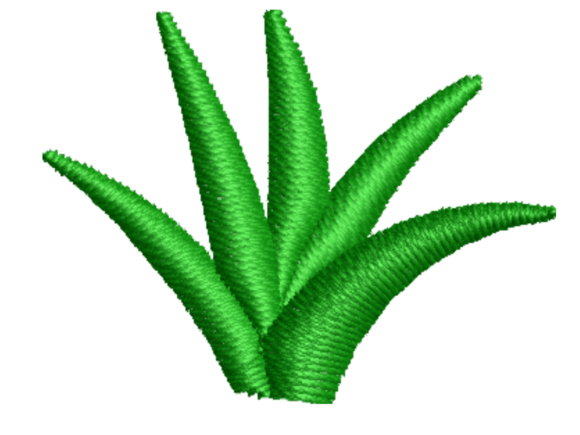
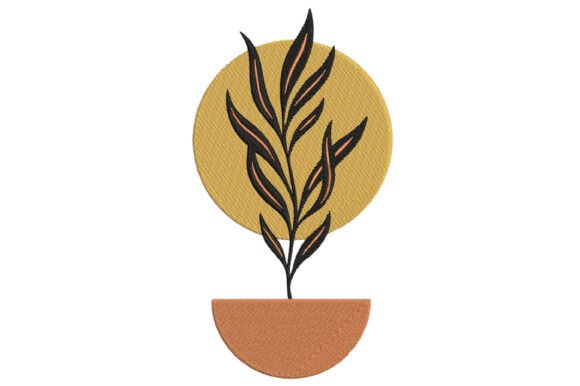
This isn't just another floral clip-art converted into stitches. The elegance of this design lies in its minimalism. It features a minimalist plant with flowing leaves that capture the current trend of organic, botanical aesthetics without overwhelming the fabric. For an Etsy seller or a boutique owner looking to refresh their catalog, this embroidery file offers a sophisticated alternative to busy, traditional florals. It screams "curated" rather than "mass-produced," which is crucial for building brand consistency in a handmade shop.
Visual Impact and Mood Setting
When I first loaded the preview of the Boho Plant Embroidery Design, the mood was immediately clear: calm, grounded, and stylish. The shape is fluid, avoiding rigid geometric lines in favor of natural curves. This makes it incredibly versatile for creating a soft visual personality in any project. Unlike dense, heavy patterns that can weigh down a garment, this design breathes. It allows the texture of the fabric to show through, which is essential for high-end custom apparel.
The layout is balanced enough to stand alone as a focal point but subtle enough to act as a decorative accent. If you are planning a tote bag design or a simple canvas pouch, this motif works beautifully centered on the front pocket or near the bottom hem. It elevates a basic item into a statement piece without requiring additional lettering or complex framing. For those selling digital product sellers assets, this kind of clean, recognizable silhouette translates well into printable mockups and social media previews.
Real-World Application: The Sweatshirt Scenario
To truly understand the value of this embroidery project, let's walk through a real-life scenario. Imagine you are preparing a limited run of heavyweight cotton sweatshirts for a holiday collection. You want something that feels cozy yet trendy—perfect for a personalized gift or a small shop product that appeals to the eco-conscious consumer.
I envision placing the Boho Plant Embroidery Design on the left chest area of a heather grey sweatshirt. Using a muted sage green or terracotta thread color would create a stunning contrast against the neutral background. Because the design features flowing leaves, the stitch direction will naturally follow the curve of the plant, adding depth and dimension. This is where the choice between satin stitch and fill stitch becomes critical. For the outlines of the leaves, a satin stitch provides a smooth, polished look, while the inner details might benefit from a sparse fill stitch to maintain the airy feel of the boho aesthetic.
Customers buying these sweatshirts are likely looking for quality and uniqueness. They want a finished product that looks professional, not amateurish. The clarity of this design ensures that even from a distance, the motif is recognizable. It builds customer trust because the stitching looks intentional and refined. Whether you are marketing this as holiday embroidery or year-round casual wear, the design holds up under scrutiny.
Navigating Fabric and Technical Challenges
While the Boho Plant Embroidery Design is versatile, it requires careful consideration regarding fabric choice and hoop size. As a reviewer, I must advise caution when using this design on thin or highly stretchy fabrics. The flowing nature of the leaves means there are delicate lines that could pucker if the wrong stabilizer is used. Always test the design on scrap fabric first to check for tension issues.
If you are working with textured fabrics like denim or linen, the design performs admirably, provided you use a tear-away or cut-away stabilizer appropriate for the weight of the material. However, avoid placing this design on very dark fabrics without testing your thread colors first. A light-colored thread on a black hoodie might require a backing layer or a different stitch density to prevent the fabric from showing through the gaps in the pattern.
For curved surfaces like caps or hats, the layout needs to be evaluated carefully. The elongated leaves might distort slightly on a dome-shaped surface. In such cases, consider using the design as an embroidered patch instead of direct application. This gives you more control over the final presentation and protects the integrity of the stitches on a difficult surface.
Practical Designer Notes for Success
To get the most out of the Boho Plant Embroidery Design, keep these practical tips in mind:
- Test on Scrap Fabric: Never skip this step. Check how the stitch density interacts with your specific thread and fabric combination.
- Confirm Hoop Size: Ensure your machine hoop can accommodate the full width of the design without distorting the edges. If the design is too large for your hoop, do not force it; resize it only if the file format allows for lossless scaling.
- Check Thread Contrast: The minimalist style relies on visibility. Test the design in black and white mockups to ensure the contrast is sufficient before committing to expensive threads.
- Stabilizer Selection: Use a proper stabilizer to prevent puckering, especially on lightweight items like baby clothes or tea towels.
- Licensing Check: Before selling finished items or digital files, confirm the licensing terms. Some designs are for personal use only, while others allow for commercial embroidery projects.
Value for Craft Businesses and Makers
For the creative entrepreneur, time is money. A design like this reduces the guesswork in the creation process. It fits seamlessly into a range of products, from baby embroidery items like onesies and burp cloths to home decor like pillow covers and kitchen towels. The versatility means you can use a single embroidery file across multiple product lines, streamlining your inventory management.
Furthermore, the Single Flowers category often leans towards traditional roses or daisies, which can feel dated. This Boho Plant Embroidery Design breaks that mold, offering a contemporary edge that resonates with modern buyers. It enhances the perceived value of your handmade product, allowing you to price your goods higher due to the professional finish and unique aesthetic.
In conclusion, this design is a strong asset for anyone serious about their craft business. It balances artistic flair with technical feasibility, making it a reliable choice for both hobbyists and professionals. By understanding its strengths and limitations, you can create stunning, high-quality items that customers will love and return to purchase again.