Botanical Branch Embroidery Design Review
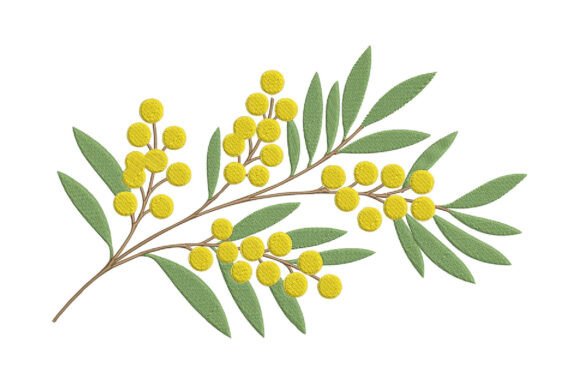
As I set up my craft fair booth this weekend, the table is a chaotic mix of finished goods and half-finished prototypes. The goal is always the same: create a visual hook that stops a passerby in their tracks. Today, I am putting the Botanical Branch Embroidery Design through its paces. This design features a long leafy branch with delicate yellow berry-style flowers, promising a natural and elegant touch to any project. But does it translate from a digital screen to a physical product that sells? Let's dive into the real-world application of this machine embroidery design for handmade market products.
First Impressions: Elegance Meets Rustic Charm
At first glance, the Botanical Branch Embroidery Design strikes a perfect balance between farmhouse chic and modern minimalism. It isn't overly busy or loud; instead, it offers a soft, organic flow that feels premium without being pretentious. The inclusion of delicate yellow berry-style flowers against a long leafy branch creates a sense of movement that static floral patterns often lack. For an Etsy seller or boutique maker, this aesthetic is gold. It fits seamlessly into the "natural home" trend while remaining versatile enough for fashion accessories.
When evaluating a design for a small shop product, you need something that photographs well but also has texture that customers want to touch. This design delivers on both fronts. The implied depth of the leaves and the pop of color from the berries suggest a high-quality finish that justifies a higher price point at a craft fair.
Product Performance Across Your Booth Display
The true test of any embroidery file is how it performs across different substrates. Here is how the Botanical Branch Embroidery Design holds up on specific items I plan to feature this weekend:
- Tote Bag Design: This is a strong contender. Placing the branch diagonally across a canvas tote bag creates a dynamic composition. The length of the branch works perfectly here, filling negative space without overwhelming the fabric. It transforms a basic utility item into a stylish statement piece.
- Apron Embroidery: For kitchen wear, this design adds a sophisticated touch. Embroidering the branch on the bib of a linen apron elevates it from a simple work tool to a giftable handmade product. The yellow berries provide a cheerful accent that stands out against neutral earth tones.
- Tea Towel Embroidery: Textured towels can be tricky, but the clean lines of this botanical motif cut through the weave beautifully. A small version near the hem acts as a subtle brand signature, while a larger version becomes the focal point of the towel.
- Embroidered Patch: Converting this into a patch opens up new revenue streams. Patches are low-cost, high-margin items that sell quickly at markets. The distinct shape of the branch makes for a great die-cut silhouette.
- Pillow Covers and Fabric Pouches: These items benefit from the "soft" nature of the design. On a cotton pillow cover, the embroidery adds tactile interest that plain fabric lacks. Similarly, on small pouches, the delicate flowers feel whimsical and feminine.
Selling Points and Visual Appeal
What makes the Botanical Branch Embroidery Design a viable craft fair product? First, it is instantly understandable. Customers don't have to squint to figure out what they are looking at. The clarity of the imagery means it works effectively as a large focal design or a smaller accent detail. This versatility allows you to batch produce different sizes without losing the essence of the pattern.
From a marketing perspective, this design photographs exceptionally well for online listings. The contrast between the green leaves and yellow berries pops in natural light, making your printable mockups look vibrant and inviting. When displayed on a booth table, the variety of textures—from smooth canvas to nubby linen—combined with this consistent design element creates a cohesive brand identity. It signals to the buyer that you care about details, which increases the perceived value of your handmade goods.
Practical Production Notes and Challenges
While the design is beautiful, experienced embroiderers know that execution is everything. Before running a full production run, you must address several practical considerations to ensure the finished product looks professional.
Fabric Texture and Stabilizer Use
One challenge with leafy designs is the fabric texture. If you are using thick woven towels or heavy canvas, the needle may struggle to penetrate evenly, potentially distorting the delicate lines of the branch. Always use the right stabilizer. For textured towels, a tear-away stabilizer might not be enough; consider a cut-away or a water-soluble topping to prevent stitching from sinking into the pile. This ensures the thread colors remain bright and the stitch density stays consistent.
Hoop Size and Spacing
Because the design features a long leafy branch, hoop size is critical. You cannot simply shrink this down indefinitely. If you try to fit the entire branch onto a small cap or a tiny pouch, the details will merge, and the yellow berries may become indistinguishable dots. Check the recommended hoop size before committing to a small shop product. If the design is too large for your target item, consider cropping the design to focus on a cluster of leaves and berries rather than the full length of the branch.
Thread Contrast and Dark Fabrics
The description highlights delicate yellow flowers. While stunning on cream, beige, or sage green fabrics, these threads can get lost on dark backgrounds. If you plan to offer this commercial embroidery design on navy or black fabric, you may need to adjust the thread colors or add a backing layer to make the yellow pop. Test the design on scrap fabric first to check thread contrast. Poor contrast can make a high-quality design look cheap and muddy.
Dense Stitch Areas
Be mindful of stitch density in the leafy areas. Overly dense stitching can cause puckering, especially on lighter weight fabrics like tea towels or t-shirts. Inspect the digital embroidery file settings. If the density is too high, reduce the pull compensation or switch to a finer thread weight to maintain the elegance of the design without warping the fabric.
Final Verdict for the Creative Entrepreneur
The Botanical Branch Embroidery Design is a winner for anyone looking to expand their catalog of nature-inspired handmade items. It bridges the gap between rustic charm and modern elegance, making it a safe yet stylish choice for craft fair attendees. Whether you are selling embroidered patches, tote bags, or custom aprons, this design has the potential to become a bestseller if executed correctly.
However, success lies in the details. Create at least one real mockup on every type of fabric you intend to use. Confirm your commercial licensing terms before listing finished products for sale. Review spacing carefully to ensure the design breathes on the garment. By taking these steps, you ensure that your digital assets translate into tangible, high-quality products that customers will love to take home.
For the Cricut and embroidery crafter who wants to elevate their brand, this design offers a fresh take on the classic Bouquet category. It is not just another flower; it is a statement of style. With careful planning and attention to production quality, the Botanical Branch Embroidery Design could very well be the centerpiece of your next successful market weekend.