Rose Patches Embroidery Design Review
As a professional embroidery designer who has spent years translating digital files into tangible brand assets, I approach every new design with a critical eye. When small business owners and merch creators reach out for advice on Rose Patches Embroidery Design, they are not just looking for a pretty flower; they are seeking a visual anchor that communicates quality, elegance, and trust. This review breaks down how this specific machine embroidery design performs in the real world of commercial branding, from boutique uniforms to high-end product packaging.
First Impressions: Elegance Meets Commercial Viability
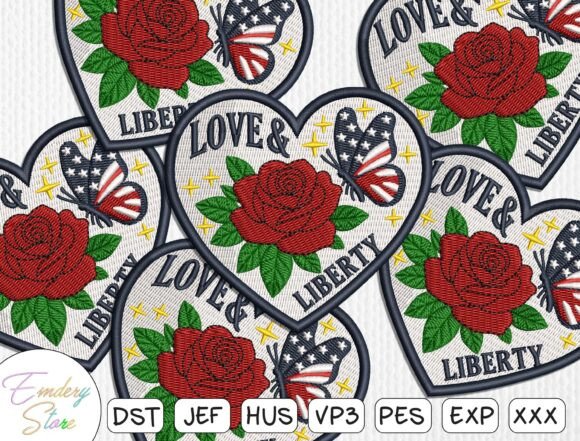
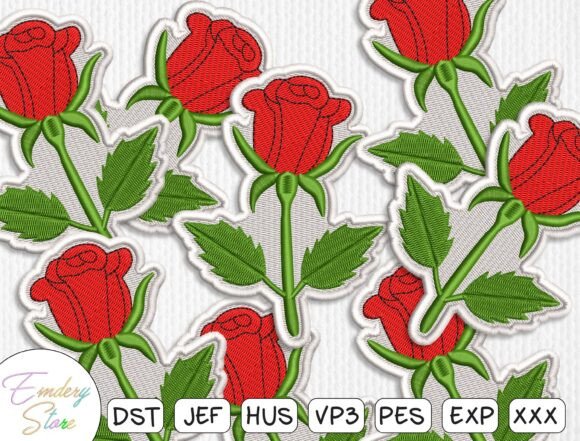
The moment you open the digital file for Rose Patches Embroidery Design, the intent is clear. The description promises "timeless beauty," and the visual structure delivers exactly that. It features a classic red rose with a stem and green leaves, a composition that feels immediately familiar yet refined. For a florist, a vintage-inspired café, or a handmade skincare brand, this design strikes the perfect balance between rustic charm and premium presentation. Unlike overly abstract modern graphics, this piece relies on the enduring power of the rose to signal romance, care, and attention to detail.
In the context of Bouquets and floral-themed merchandise, this design stands out because it avoids clutter. It is a focused motif that works well as a standalone statement. However, before committing to production, I always assess whether the aesthetic aligns with the brand's core identity. If your brand voice is playful or ultra-modern, this classic look might feel too traditional. But for businesses aiming to project warmth, heritage, and artisanal quality, Rose Patches Embroidery Design is a strong contender for your next collection of custom apparel.
Real-World Applications for Small Business Merch
The true test of any embroidery file is its versatility across different substrates. Here is how I envision Rose Patches Embroidery Design performing in actual business scenarios:
- Staff Uniforms and Aprons: For a bakery or a local café, placing this design on the chest pocket of an apron creates an instant focal point. The red thread contrasts beautifully against white or cream cotton, while the green leaves add necessary depth. It transforms a standard work uniform into a branded asset that customers notice and remember.
- Cap Embroidery: On the front of a structured cap, this design serves as a sophisticated logo alternative. Because the rose is central, it maintains readability even at smaller sizes, making it ideal for promotional giveaways or staff headwear.
- Tote Bag Design: Large canvas totes are perfect for showcasing the full details of the stem and leaves. A tote bag featuring this design becomes a walking billboard for your brand, especially when used as a customer gift or a retail item in a boutique.
- Product Labels and Packaging: For handmade soaps, candles, or textiles, using this design as an embroidered label adds significant perceived value. It signals that the product inside is crafted with care, elevating the unboxing experience beyond simple printed tags.
- Event Merchandise: Whether for a wedding planning service or a garden center event, this design works exceptionally well as a commemorative patch. It feels special enough to be kept long after the event concludes.
Critical Considerations for Production Success
While Rose Patches Embroidery Design is visually appealing, experienced decorators know that execution is everything. There are specific areas where caution is required to ensure the finished product looks professional rather than messy.
Stitch Density and Fabric Texture
Floral designs often require intricate shading to capture the softness of petals. If the stitch density is too high, the fabric can pucker, especially on thinner materials like dress shirts or lightweight tote bags. Always check the file settings. If the density feels heavy, consider reducing the underlay or adjusting the pull compensation. Conversely, on textured fabrics like denim or heavy canvas, the design may need slightly more definition to stand out against the weave.
Size Limitations and Detail Retention
This design includes a stem and leaves, which means it has linear elements that can break up if scaled down too aggressively. Avoid using this for tiny buttonhole patches or very small cap brims unless you are certain the needlework remains crisp. A good rule of thumb is to print a mockup at the intended size first. If the petals blur together in the printable mockup, the embroidery will likely suffer the same fate. Ensure the hoop size accommodates the full height of the stem without cutting off the leaves, as incomplete imagery can cheapen the brand image.
Color Contrast and Thread Selection
The description highlights a "classic red rose" with "green leaves." While these colors are timeless, they must be chosen carefully for your specific background. Red thread on dark navy uniforms requires high-quality metallic or bright polyester thread to prevent the design from looking muddy. Similarly, light green leaves on a tan canvas might lack contrast. Always test your thread colors against the actual fabric swatch before running a full batch of commercial embroidery projects.
Impact on Brand Identity and Customer Trust
Using Rose Patches Embroidery Design goes beyond decoration; it influences how customers perceive your business. An embroidered patch conveys permanence and quality in a way that screen printing cannot. When a customer sees a well-executed rose on a staff member's shirt or a branded tote bag, it subconsciously communicates that the business invests in its presentation.
This level of detail builds brand recognition. Consistency is key—if you use this design on your website mockups, your physical products, and your staff uniforms, you create a cohesive visual language. This consistency fosters trust. Customers are more likely to return to a business that looks professional and pays attention to the finer details. Furthermore, for Etsy sellers and crafters, offering items with this type of high-quality embroidery allows you to charge a premium price, as the perceived value of the handmade product increases significantly.
Designer Notes: Best Practices Before You Stitch
To get the most out of this digital embroidery file, follow these practical steps before launching your production run:
- Test in Black and White: Print the design outline in grayscale to check the flow of the lines and the spacing between the petals and leaves. This helps identify potential gaps or overlaps before you waste thread.
- Verify Licensing: Ensure you have the correct commercial license for Rose Patches Embroidery Design. Using a personal-use file for business merchandise can lead to legal issues. Confirm that the terms allow for unlimited production on items for sale.
- Select the Right Stabilizer: For curved surfaces like caps or sleeves, use a cut-away stabilizer to support the stitches over time. For flat items like tote bags, a tear-away might suffice, but always test wash the sample to ensure the design holds up.
- Create Client Mockups: If you are selling this as a service, present a realistic digital mockup to your client showing the design on their specific garment. This manages expectations and reduces the chance of returns.
- Compare Design Assets: Place this design next to other assets in your library. Does it clash with your existing typography? Does it complement your color palette? Ensure it fits within your broader design ecosystem.
Ultimately, Rose Patches Embroidery Design offers a versatile and elegant solution for small business owners looking to elevate their brand through custom apparel and merchandise. By understanding its strengths, respecting its limitations regarding size and density, and applying professional embroidery techniques, you can turn a simple floral motif into a powerful tool for brand growth and customer engagement.